Filter By
Products List
- Product
- Qty in Cart
- Quantity
- Price
- Subtotal
-


Ottoman 8
This pattern shows a combination of Hatayi motifs, mostly from natural shapes of plants, and a Tulip design on a wavy water background. Colors and the Sisal textures create an interesting textile... -


Ottoman 6
This is a stylized Peacock Tail Feather pattern, prevalent throughout the Middle East and across to India. This subtle pattern is simple and restrained and recalls a feeling of a wandering caravan... -

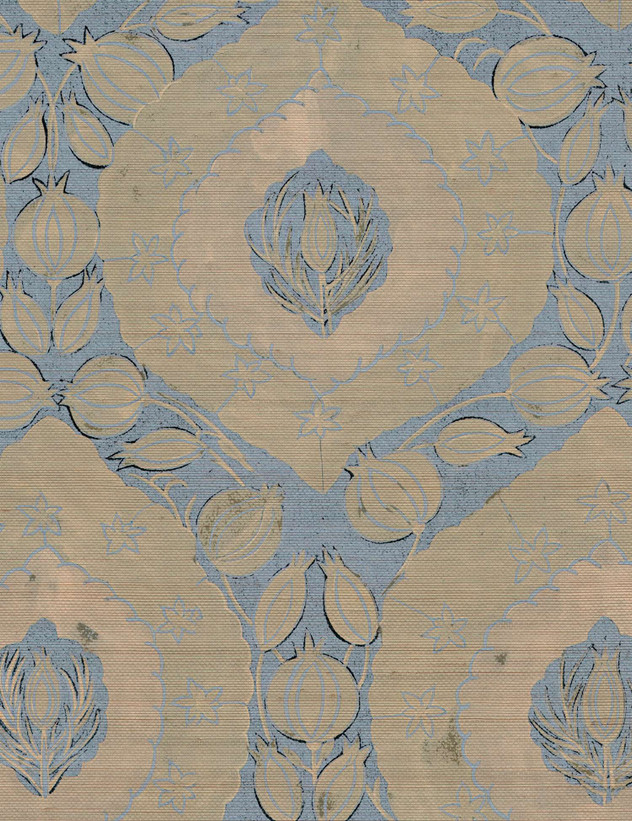
Ottoman 4
The Tulip was an important ottoman motif. Here we see the Tulip surrounded by a modified Pomegranate laurel wreath. Our color ways result in an almost rural or country cottage effect when printed on... -
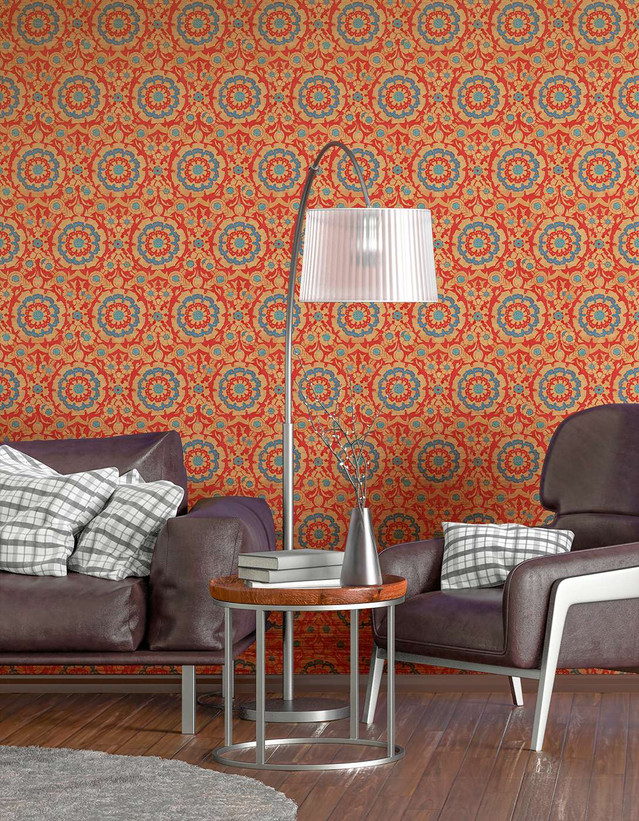

Ottoman 3
This repeating floral motif was usually associated with Turkish Kemha, silk brocaded textiles that were adorned with gold and silver embroidery. We���������ve kept a few traditional color ways but... -


Ottoman 1
The three crescent ���������Chintimani��������� , which represents Leopard spots, and the wavy lines of the ���������Tiger Stripe��������� were both important symbols in 16th Century Ottoman Empire... -


Ottoman 5
Another fascinating take on the popular Leopard Spot and Tiger Stripe pattern. Check out the interesting color ways. The shimmer of silver mylar behind the Sisal texture enhances the overall effect... -


Ottoman 2
This is known as a Pen������ Berk. There were many types of Berk motif. It was an early design often used in interior and industrial art. Resembling a flower from a bird���������s eye view, balance... -


Ottoman 7
The important 3 crescent design with a single wave below might symbolize sovereignty over the seas. Modern colors transport it to today���������s interiors. Sold in standard lengths from 1 to 4 yards...
